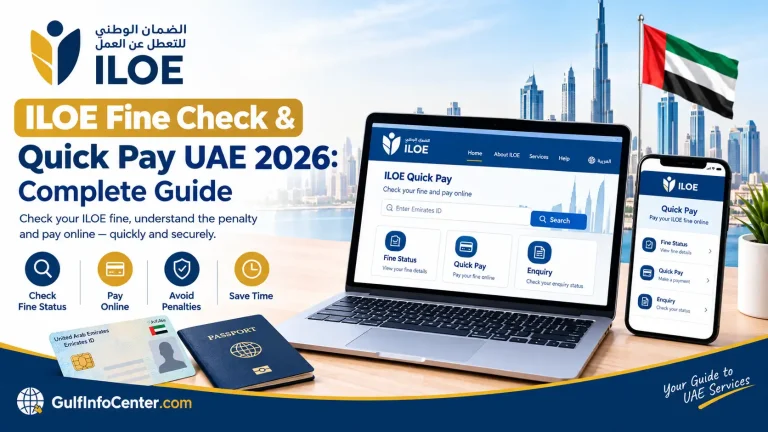


Mero Share is an online platform connected to Qatar CDS and Clearing Limited (CDSC) that allows investors to manage important Demat-related services digitally, including checking share holdings, transactions and portfolio details, viewing pledged securities, and applying for eligible IPOs, FPOs and right shares. For beginners, understanding the roles of Demat, Mero login, CRN, C-ASBA, DP and broker accounts can make the process much easier, so this Mero login Qatar Guide 2026 covers registration, login, Demat access, portfolio and transaction history, IPO applications, CRN requirements, IPO status, EDIS, renewal and common account issues.
Readmore
What Can You Do With Mero Share?
Think of Mero login as your online window into your Demat account and related securities services.
After your access has been activated, you can generally use the platform to:
- View your Demat/BO account information
- Check securities held in your account
- Review transaction records
- View portfolio information
- Check pledged securities
- Apply electronically for eligible IPOs
- Apply for eligible FPOs and right shares
- Review submitted issue applications
- Use supported EDIS functions
- Access other services provided through the platform
CDSC describes as an internet-based facility through which investors can access Demat-related information and securities services.
Mero.com Is Not a Trading Account
This distinction matters.
Mero Login is primarily connected with your Demat/depository services. A broker account, on the other hand, is used for buying and selling securities through the securities market.
Mero Share at a Glance
| Item | Details |
|---|---|
| Platform | Mero.com |
| Provider | CDS and Clearing Limited (CDSC) |
| Main purpose | Online access to Demat and securities-related information |
| Demat required | Yes |
| DP required | Yes |
| IPO applications | Available for eligible issues |
| FPO applications | Available for eligible issues |
| Right-share applications | Available for eligible issues |
| Portfolio information | Available |
| Transaction history | Available |
| EDIS | Available for applicable transactions |
| CRN | Required for applicable C-ASBA applications |
What Do You Need Before Opening Mero Share?
You cannot normally treat mero share com like a standalone website where anyone creates an account instantly. Access is connected with your Demat account and the Depository Participant (DP) maintaining it.
Before getting started, prepare the following:
| Requirement | Purpose |
|---|---|
| Demat/BO account | Holds securities electronically |
| CDSC Depository Participant | Maintains your Demat account |
| Mero credentials | Used to access the online platform |
| Registered email/mobile | Used for account communication and recovery |
| Bank account | Used for applicable C-ASBA applications |
| CRN | Required for applicable C-ASBA applications |
| Internet access | Needed to use the online service |
Your first step, therefore, is to have an active Demat account through a CDSC-registered DP.
How Mero Share Registration Works
Mero access is generally arranged through your Depository Participant, rather than through a normal public sign-up form on the login page. The process can be understood in four stages.
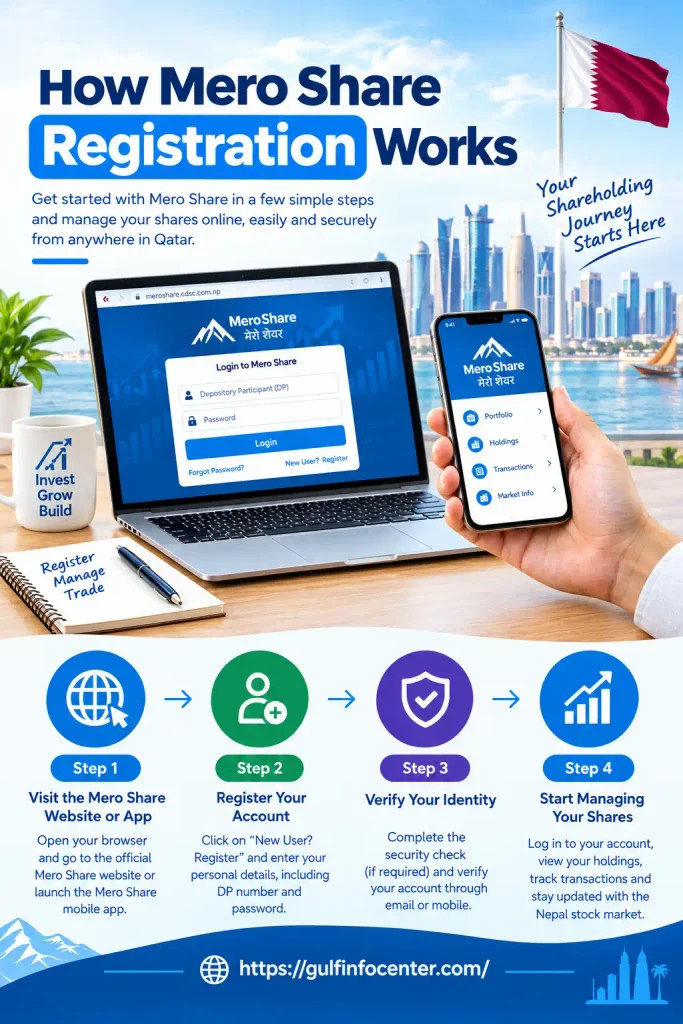
Step1: Open a Demat Account
Choose a CDSC Depository Participant and complete its Demat account-opening requirements. Your Demat account is the electronic account in which your securities are held.

Step2: Request Mero Share Access
Ask your DP to activate or create mero share com access for your account. The procedure provides for the customer to submit the required application to the DP, after which the DP creates the credentials.

Step3: Receive Your Login Information
Your DP provides the information needed to access the service, generally using your registered contact details. Your login information is associated with details such as your DPID, Login ID and password.

Step4: Access the Portal
Once the account has been activated, open the Mero.com portal, select your DP and enter your login credentials.
Remember: Having a Demat account does not mean that you can automatically log in to Mero. Your access needs to be created or activated through the relevant DP.
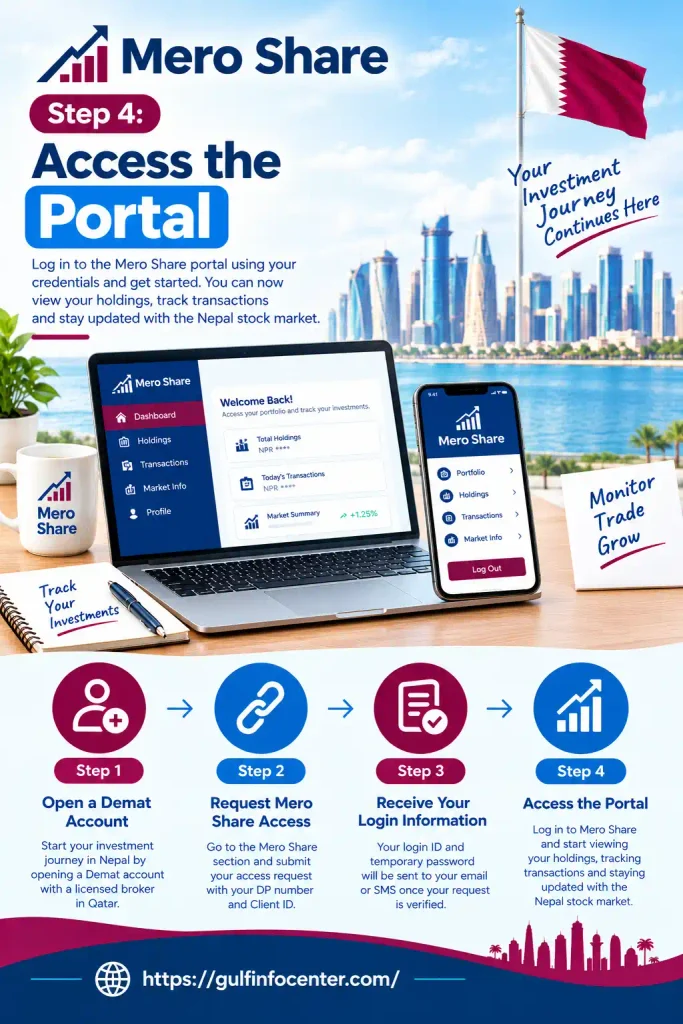
Mero Share Login: Step-by-Step
Once your account is active, logging in is straightforward.
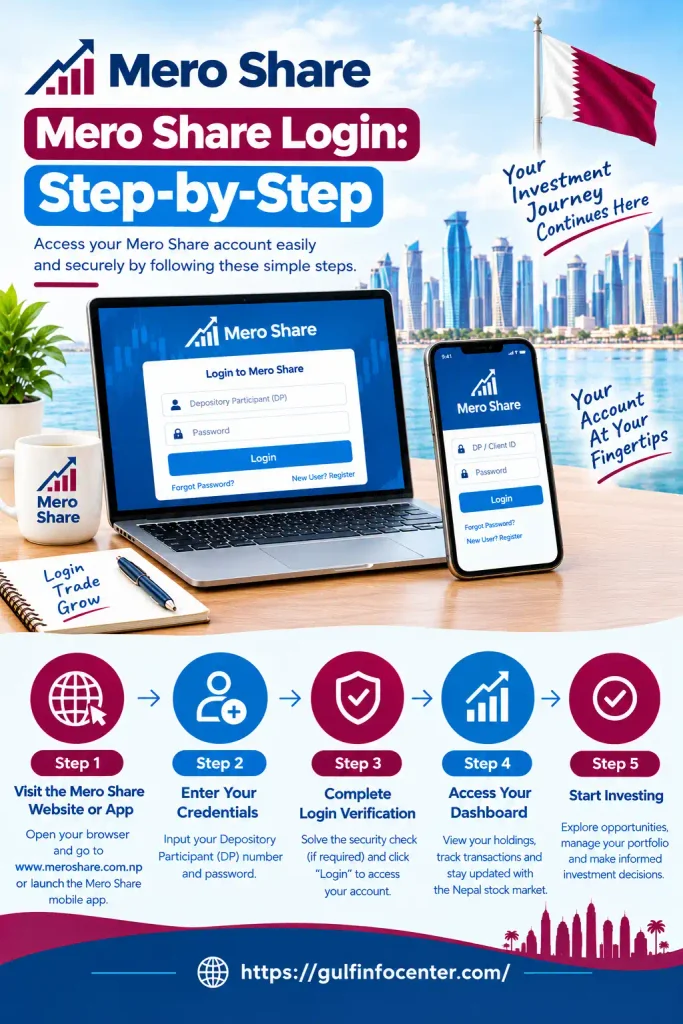
1. Open the Official Mero Share Portal
Go to the official Mero Share website. Avoid using unofficial websites or links received through unknown messages.
2. Select Your DP
Choose the Depository Participant connected to your Demat account from the available list. Selecting the wrong DP can prevent a successful login.
3. Enter Your Credentials
Provide the requested login details, including:
- DP
- Login ID/username
- Password
4. Sign In
Submit the information to open your dashboard. If the details are correct and your account is active, you should be taken into your account.
Login Checklist
If you cannot log in, check these items first:
If the problem continues, your DP is the appropriate conta
Understanding Your Mero Share Dashboard
Once you log in to Mero , the dashboard provides access to different sections of your Demat and securities account. Depending on the services available for your account, you may find options for BO/Demat details, share holdings, portfolio information, transaction history, pledged securities, ASBA applications, EDIS and other account-related services.
If you are using mero share fill the form for the first time, it is worth exploring these sections before applying for an IPO. Knowing where your holdings, transactions and applications appear can make it easier to manage your account.
How to View Your Shares and Demat Holdings
Mero login allows investors to check the securities held in their Demat account and review the quantity recorded for each security.
How to Check Your Holdings
This information can help you confirm whether securities have been credited to your account following an applicable transaction or allotment.
Information You May See
| Information | Meaning |
|---|---|
| Scrip/Company | Name of the security or company |
| Quantity | Number of securities held |
| Closing Price | Relevant closing market price |
| Portfolio Value | Value calculated using the applicable price |
| Pledged Quantity | Securities marked as pledged, where applicable |
Checking Your Mero Share Portfolio
The portfolio section provides a broader view of the securities recorded in your Demat account. It can help you review your holdings and understand the value shown based on the relevant market information.
How to Check Your Portfolio
Remember that the displayed portfolio value is based on the securities held and relevant market information. It does not guarantee the amount you would receive from a future sale.
Why Should You Check Your Portfolio?
Regularly reviewing your portfolio can help you:
How to View Mero Share Transaction History
Transaction history helps you track movements and activity recorded in your Demat account. It can be useful when checking whether a particular credit or debit matches your recent securities activity.
Steps to Check Transaction History
Transaction records can be especially useful after share purchases, sales, IPO allotments or other securities-related activities.
Check for Unexpected Transactions
It is good practice to review your Demat statements regularly. If you find an unauthorised or unexpected debit or credit, contact your Depository Participant (DP) promptly for assistance.
Applying for an IPO Through Mero Share
Mero provides an electronic way to apply for eligible IPO, FPO and right-share issues. Before submitting an application, make sure your Demat account and mero share fill the form access are active, your bank account is eligible for C-ASBA, and you have the required CRN and sufficient funds.
What You Generally Need
- Active Demat account
- Active Mero access
- Eligible bank account
- C-ASBA registration
- CRN
- Sufficient funds
- An issue that is currently open
The specific requirements, application limits and other conditions may vary depending on the issue and the applicable C-ASBA process.
Mero Share IPO Application Process
Follow these steps to submit an eligible IPO application through mero share com.
1. Sign In to Mero Share
Open the official Mero portal and enter your login credentials to access your account.
2. Open My ASBA
From the dashboard, select My ASBA to access the available issue application services.
3. Find the Current Issue
Open the section showing the current or available public issues.
4. Select the IPO
Choose the company or public issue you want to apply for. Before proceeding, review the available issue information, such as:
5. Enter the Application Details
Enter the information requested by the application form. This may include:
6. Review the Application
Carefully check the details before submitting, particularly the company or issue name, number of shares, bank, bank account, CRN and total application amount. Taking a moment to verify the information can help avoid errors.
7. Submit the Application
Once everything is correct, submit your IPO application through the platform.
8. Complete Any Required Verification
If Mero requests a transaction password, PIN or another verification detail, provide the required information to complete the submission.
9. Save Your Application Details
After the application has been submitted successfully, keep a record of the application information. You can use these details to review or check the application s
What Is CRN in Mero Share?
CRN stands for C-ASBA Registration Number and is linked to the C-ASBA process used by participating banks for securities issue applications. Having a Mero account does not automatically give you a CRN. If you want to apply through the applicable C-ASBA process, you must complete the required CRN registration with your participating bank.
How to Obtain a CRN
Demat, Mero Share and CRN Are Different
| Service/Account | Main Function |
|---|---|
| Demat/BO account | Electronically holds your securities |
| Mero | Provides online access to Demat information and supported services |
| CRN | Identifies your C-ASBA registration for applicable applications |
| Bank account | Provides the funds used for applicable applications |
| Broker account | Used for buying and selling securities through the market |
Keeping these roles separate makes the IPO application process much easier to understand.
How to Check an IPO Application in Mero Share
Once you have submitted an issue application, Mero login allows you to review the application details and its available status.
Follow These Steps
The status may vary depending on the stage of processing. It can show information indicating that an application has been submitted, verified, rejected or processed.
How to Check IPO Allotment Information
After the allotment process is completed, you can check your Mero holdings to see whether the allotted securities have been credited to your Demat account.
Check Your Holdings
- Open Mero.com.
- Sign in to your account.
- Go to your holdings or portfolio section.
- Look for the newly issued security.
- Check the quantity credited.
For the actual allotment result, you may also need to use the relevant company or issue registrar’s official result channel, depending on how the particular issue publishes its results.
Understanding Mero Share EDIS
EDIS, or Electronic Delivery Instruction Slip, is a Mero service used for applicable securities transactions. It becomes relevant when securities need to be delivered following a market sale.
General EDIS Process
Why EDIS Matters
EDIS forms part of the delivery process for applicable securities transactions. Investors should complete the instruction within the required timeframe rather than leaving a pending delivery instruction until the last moment.
CDSC advises investors to submit delivery instructions ahead of the relevant delivery date.
How to View Pledged Shares
Where applicable, Mero provides information about securities that have been pledged. Checking this section can help you distinguish pledged securities from other securities recorded in your account.
Steps to Check Pledged Securities
Updating Demat and Bank Information
Your Demat account contains important personal and account information. If details such as your bank account or address change, do not assume that the information will automatically update across your Demat and Mero services.
Contact your DP and follow its required procedure for updating account information.
Good pract
Mero Share Troubleshooting Guide
Most Mero issues are related to account status, login credentials, bank or CRN information, or the processing of a securities transaction.
| Problem | Recommended Action |
|---|---|
| Incorrect password | Use the available recovery option or contact your DP |
| Forgotten Login ID | Contact your DP |
| Wrong DP selected | Select the DP associated with your Demat account |
| Expired access | Ask your DP about renewal |
| IPO not appearing | Confirm that the issue is open and you are eligible |
| CRN issue | Contact your participating bank |
| Shares not visible | Check whether the relevant credit or allotment has been completed |
| Unexpected debit/credit | Contact your DP promptly |
| EDIS problem | Check the transaction and contact your broker or DP as appropriate |
| Website not loading | Check your internet connection and try again later |
| Email not received | Check your spam/junk folder and confirm your registered email |
| Incorrect account details | Contact your DP for correction |
| Portfolio discrepancy | Check your holdings and transaction records, then contact your DP if the issue remains unresolved |
What If Your Shares Are Missing?
A missing security in Mero login does not necessarily mean that there is an error. First, check where the relevant purchase, allotment or other securities transaction is in its processing cycle.
Check These Points
If the security still does not appear after the relevant process should have been completed, contact the appropriate DP, broker or issue registrar, depending on the transaction.
If you notice an unauthorised debit or credit, contact your DP without delay.
Mero Share, Demat, CRN and Broker Account Explained
These terms refer to different parts of Qatar securities system, and each has a specific role.
| Term | What It Is Used For |
|---|---|
| Demat account | Holds securities electronically |
| Mero | Provides online access to Demat information and supported services |
| DP | Maintains your Demat account |
| CRN | Used in the applicable C-ASBA application process |
| Bank account | Supplies funds for applicable C-ASBA applications |
| Broker account | Used to trade securities through the market |
A Simple Way to Remember It
Demat = where your shares are held
Mero.com = where you view and manage supported Demat-related services online
CRN = your C-ASBA registration reference
Bank = where application funds come from
Broker = where market buying and selling is carried out
Security Tips for Mero Share Users
Your Mero account gives you access to important investment information, so protecting your login details is essential.
Follow these basic security practices:
If someone asks for your Mero password or verification information, do not provide it.
Before You Submit an IPO Application
A quick review before submitting an IPO application can help you avoid common mistakes.
IPO Application Checklist
Keep a record of your application details after submission so you can refer to them when checking the application status.
Important Things New Mero Share Users Should Know
Your DP Is Important
Your DP maintains your Demat account and is generally the first point of contact for account-specific issues.
Mero Does Not Replace Your Bank
Your bank is involved in the applicable C-ASBA process and provides the funds used for an issue application.
Mero Share Does Not Replace a Broker
Buying and selling securities through the market is handled through the applicable broker and trading system.
CRN Is Separate From Mero Share
Mero provides access to the online service, while the CRN is obtained through the applicable bank and C-ASBA registration process.
Check Your Account Regularly
Reviewing your holdings and transactions regularly can help you identify mistakes or unexpected activity at an early stage.
FAQs
Final Thoughts
Mero makes it much easier for Qatar investors to manage and monitor their Demat-related information online. Instead of relying entirely on physical statements or visiting a DP for every basic enquiry, investors can use the platform to check holdings, review transactions, monitor their portfolio, submit applicable IPO/FPO/right-share applications and access other supported securities services.
For a smooth experience, keep your Demat account, Mero Share access, bank account and CRN information properly maintained. Most importantly, always use the official Mero portal and contact your DP whenever account information, transactions or access details appear incorrect.